
Choosing Hymns for Different Seasons in the Church Year
Why the Season Shapes the Song
Hymns do more than fill the gaps between the readings. In Anglican worship they carry a congregation through the year like a handrail, and a well-chosen hymn can do the work of a sermon in four short verses. Choosing them seasonally is not fussiness; it is how worshippers learn the shape of the gospel in their bones. Advent should sound like Advent, Lent like Lent, and Easter like nothing else in the calendar.
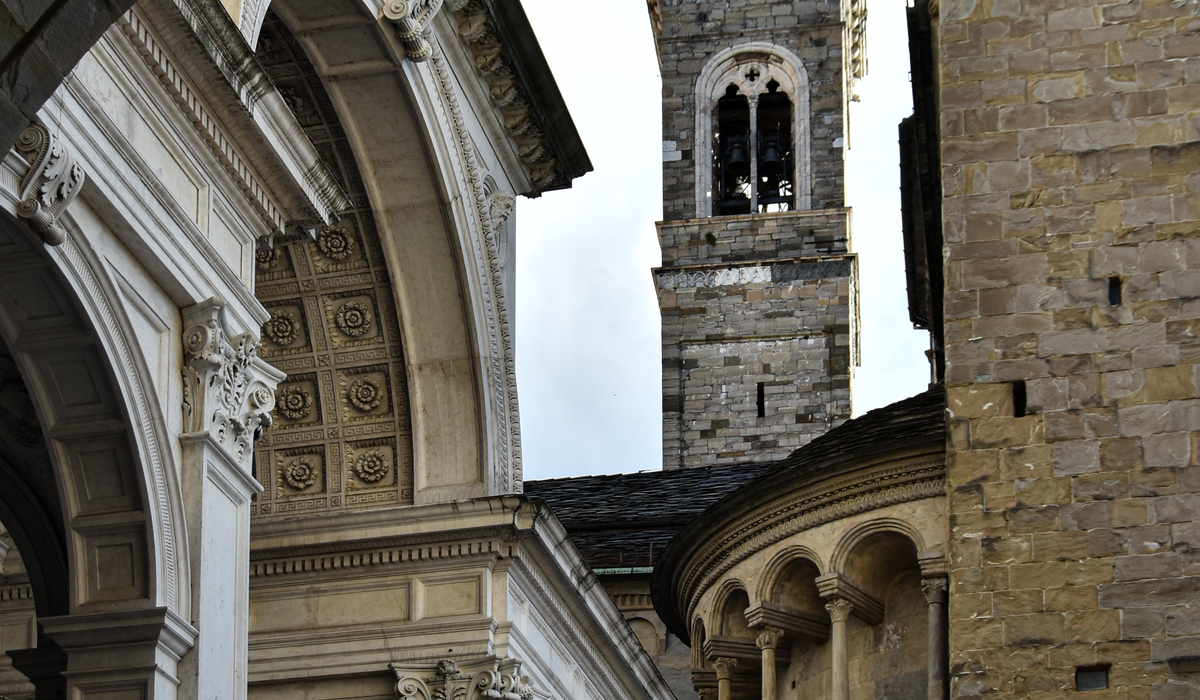
The building is part of the decision. A Norman nave with a long, generous acoustic flatters sustained plainsong and broad unison singing; a carpeted Victorian church with a drier, closer sound rewards crisper rhythms and sharper diction. Where there is a ringing peal, the bells have already told the parish what season it is long before anyone opens a hymn book.
Advent: Waiting in a Minor Key
Advent is a season of longing, and its hymns should lean towards minor keys, steady tempos and a certain restraint. Resist the pressure to start the carols early; the wait is the point. Keep the Gloria out of the ordinary of the mass, and let the music sound slightly unfinished.
- O come, O come, Emmanuel (Veni Emmanuel) — the backbone of the season, best sung unaccompanied on at least one Sunday.
- Lo! he comes with clouds descending (Helmsley) — Advent's judgement and hope in equal measure.
- On Jordan's bank the Baptist's cry — ideal for the Sunday of the Baptist.
- Hills of the North, rejoice — good for a mission-focused third Sunday.
Choose three or four and repeat them across the four Sundays rather than introducing something new each week; familiarity is a gift in a short season.
Christmas and Epiphany: Light and Wonder
Once Christmas arrives, the music can open out. This is the moment for the organ's full resources, descants on the final verse and, if you have the players, a little brass. Keep the tunes stable so that visitors — and there are many at this season — can join in confidently.
- O come, all ye faithful (Adeste Fideles) — the natural processional for Christmas Day.
- Of the Father's love begotten (Divinum Mysterium) — ancient, spacious and wonderfully suited to a resonant stone interior.
- In the bleak midwinter (Cranham) — tender, and always well loved.
- For Epiphany: As with gladness men of old (Dix) and Brightest and best (Stella Orientis), both carrying the theme of light and journey.
Lent: Stripping Back the Sound
Lent invites a deliberate reduction. Put away the descants, drop the key down a tone, slow the tempo and use the season to sing in unison. Many churches also omit the Gloria and use a plainer setting of the communion service.
- Forty days and forty nights (Heinlein) — austere and exactly right.
- Lord, who throughout these forty days (St Flavian) — a fine teaching hymn for the wilderness.
- Jesu, lover of my soul (Aberystwyth) — ideal for Passiontide, sung quietly.
- My song is love unknown (Love Unknown) — reserve it for Holy Week, where it lands hardest.
The silencing of the bells after the Gloria on Maundy Thursday and their return at the Vigil is one of the most eloquent gestures in the whole year. Let the hymns match that discipline.
Easter to Pentecost: The Return of the Alleluia
Easter demands excess, and the congregation has earned it. This is where a confident organ, a decent choir and a well-tuned ring of bells all pull in the same direction.
- Jesus Christ is risen today (Easter Hymn) — the great opener, Easter Day.
- Thine be the glory (Maccabaeus) — robust, joyful, easy to sing.
- The strife is o'er, the battle done (Victory) — strong for the second Sunday.
- Hail the day that sees him rise (Llanfair) for Ascension, and Come down, O love divine (Down Ampney) for Pentecost.
If the bells have been silent, a peal at the Vigil tells the whole parish the fast is over.
Ordinary Time and the Wider Year
The long green seasons are not filler. They are where doctrine is quietly absorbed, and where you can afford to teach a new tune over several weeks. Use them for discipleship and courage: O Jesus, I have promised (Wolvercote), He who would valiant be (Monks Gate), Christ is made the sure foundation (Westminster Abbey). Then let the calendar's great feasts and festivals interrupt the green with their own colour: For all the saints (Sine Nomine) in November, harvest and Rogationtide hymns in their turn, a patronal festival marked with something local and rousing.
Plan the year in advance, ideally with the incumbent and the organist in the same room. Print a seasonal list, keep a note of what was sung and how it went, and resist the temptation to please everyone every week. The aim is not novelty but recognition — a congregation that hears Advent in the opening voluntary and knows, before a word is spoken, exactly where in the story they stand.

4 Comments