
Maintaining a Historic Spire Without Harming Stonework
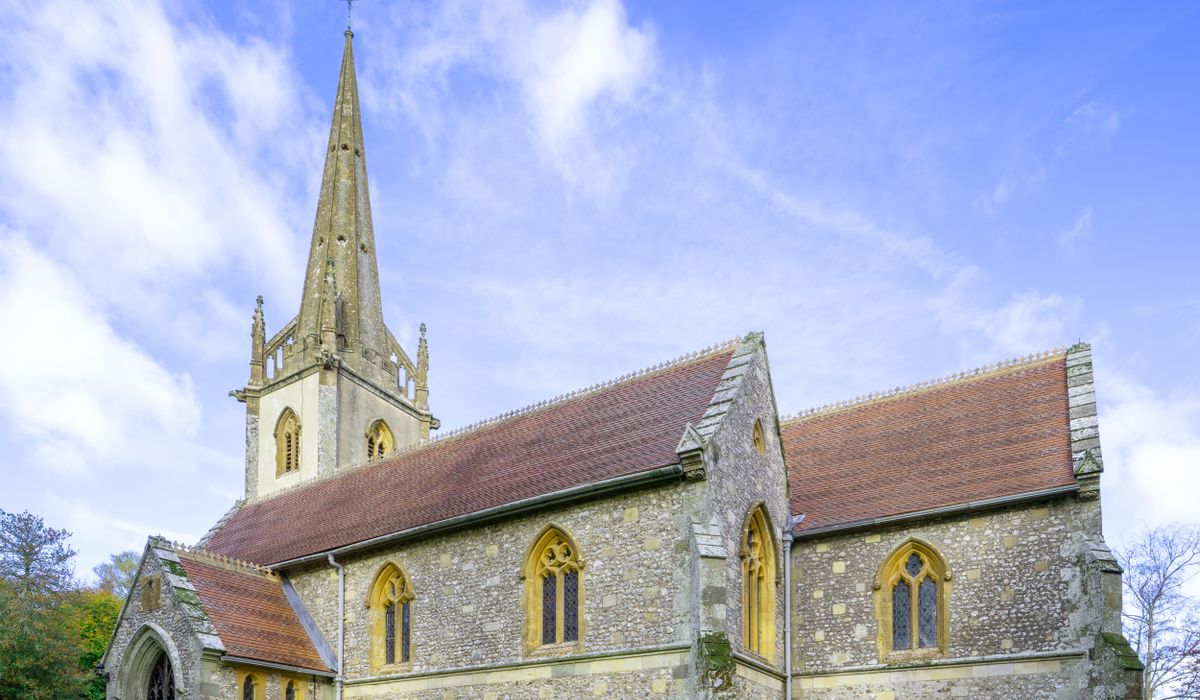
There is something profoundly moving about a church spire rising above the treeline, a finger of stone pointing heavenward. For centuries, these structures have carried bells whose sound shapes the spiritual life of a parish. But a tall spire is also a demanding piece of engineering. It catches every wind, sheds rain across a vast surface area, and must withstand the gentle but persistent vibration of ringing bells. Caring for one without causing harm requires patience, observation, and a deep respect for traditional materials.
Understanding How a Spire Moves
A spire is not a rigid monolith. It flexes in the wind, expands and contracts with the sun, and responds to the dynamic loads of bell ringing. This movement is normal, but it becomes a problem when water finds its way into joints or when past repairs have used hard, inflexible materials. Watch for cracks that open and close with the seasons – these are often thermal or moisture-related. Cracks that grow steadily, or that appear near the base or at the belfry stage, need urgent attention from a conservation-accredited structural engineer.
Bell ringing adds a particular kind of stress. Each swing of a heavy bell exerts a pulling force on the frame and tower. In a spire, those forces travel down through the masonry. If the spire is already weakened by water damage or poor pointing, the vibration can accelerate decay. Listen to the bells as you would listen to the building itself – a change in tone, a new rattle, or a visible shudder in the louvres is a warning worth heeding.
Inspecting Masonry from Ground to Weathercock
You do not need to scale the spire to learn a great deal about its condition. A pair of good binoculars and a notebook will take you far. Walk the churchyard in different lights – low morning sun reveals open joints, while a damp day shows where water is tracking. Look for:
- Open or recessed joints where mortar has washed out or fallen away.
- Vegetation such as valerian, ivy, or grasses rooted in ledges and cracks.
- Water staining or efflorescence – white salt deposits that indicate moisture moving through the stone.
- Spalling stone faces where a hard cement render has trapped moisture and forced the stone to flake.
- Past repairs in cement or silicone sealant, which often cause more harm than good.
Keep a dated photographic record. A crack that looks alarming today may be ancient and stable, but only comparison over time will tell. If you spot movement in the louvres or a bulge in the masonry, do not delay – get expert eyes on it.
Repointing with Lime Mortar: The Golden Rule
Nothing has damaged more historic spires than well-meaning repointing with cement. Cement mortar is harder than the stone it surrounds. It traps moisture, forces it to evaporate through the stone face, and causes spalling and eventual loss of the carved surface. Lime mortar is the only appropriate choice for historic masonry. It is soft, breathable, and slightly flexible, allowing the spire to move without cracking.
Before mixing, have a sample of the original mortar analysed – a conservation laboratory can tell you the binder-to-aggregate ratio and the likely source of sand. A typical non-hydraulic lime putty mix for exposed spire work might be 1 part lime putty to 2.5 parts well-graded sharp sand, but never guess. Rake out joints to a depth of at least twice their width, using hand tools rather than angle grinders. Dampen the joints, then press the mortar in firmly in thin layers, finishing with a flush or slightly recessed profile. Protect the work from sun and rain for several days while it carbonates.
Managing Rainwater Goods: The Silent Killer
Most spire decay begins not with the stone itself but with failed gutters, hoppers, and downpipes. A blocked gutter sends water cascading down the masonry, saturating joints and freezing in winter. Check all rainwater goods at least twice a year, and after every major storm. Look for:
- Broken or slipped slates, tiles, or lead flashings.
- Corroded or split downpipes that discharge onto the wall.
- Hoppers blocked with leaves, nests, or debris.
- Failed mortar fillets around the base of the spire, which should be lead or copper, not mortar.
Ensure gutters have a consistent fall and that water is carried well away from the foundations. In winter, snow guards above the gutter can prevent a sliding mass of snow from tearing the gutter off the wall. Clear debris by hand – never use a pressure washer, which can force water into the masonry.
When Bells Ring: Vibration and the Spire
The sound of bells is sacred sound, but it is also mechanical energy. A ringing peal sets up vibrations that travel through the bell frame, the tower, and the spire. If the spire is sound, these vibrations are harmless. If it is not, they can widen existing cracks and loosen stones. Inspect the bell frame anchorages and the louvre openings regularly for signs of movement or rust jacking. Any new crack near the belfry stage should be monitored monthly. A simple tell-tale – a strip of glass or plaster across the crack – can show whether it is active. If the bells themselves sound dull or rattly, have the installation checked; the problem may be in the spire, not the bells.
A Seasonal Routine for Long-Term Care
Historic spires survive through small, timely interventions. Adopt a simple rhythm: a spring inspection after the worst of the weather, an autumn check before winter, and a walk-round after every gale. Keep a log of what you see. Clear gutters, remove seedlings, and repoint only where necessary. Never patch with cement, never seal a joint that should breathe, and never ignore a crack that changes. With care, a spire can stand for another century, its stonework sound and its bells ringing clear across the parish.

4 Comments