
The Role of Bell Frames in Safe Tower Bell Ringing
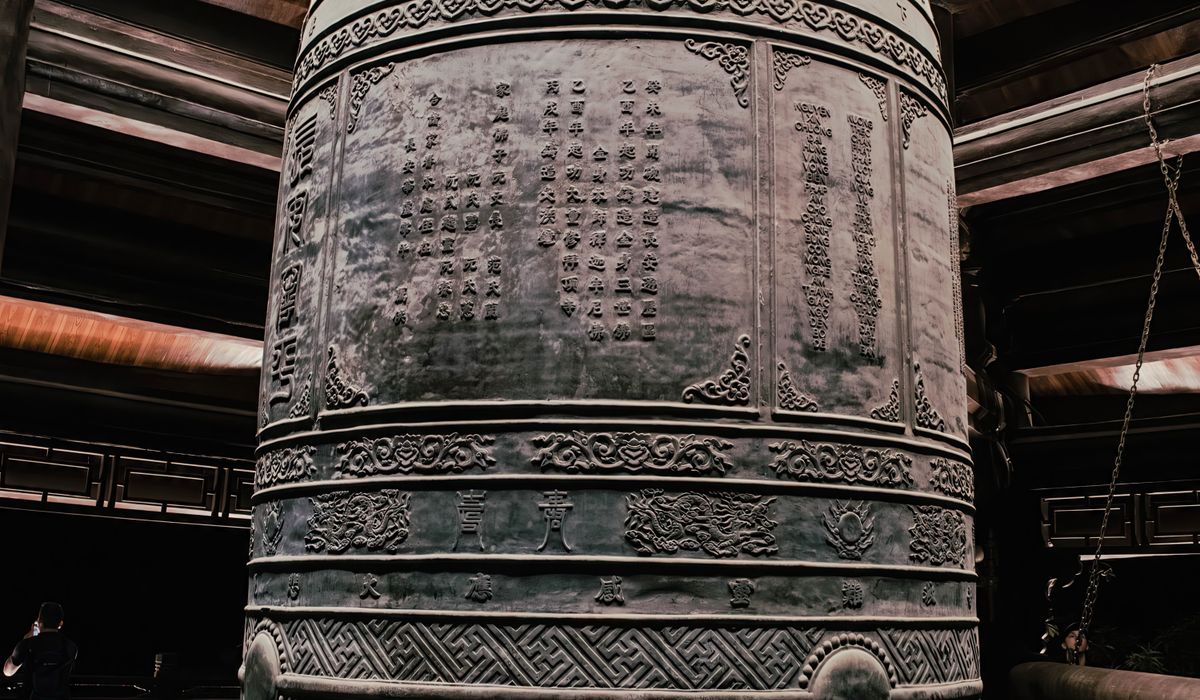
The Foundations of Sacred Sound
For centuries, the sound of church bells has called communities to worship, marked the hours, and celebrated national moments. That familiar, resonant tone depends on far more than the bell itself. It relies on a carefully engineered structure hidden away in the tower: the bell frame. Whether made of aged timber or robust cast iron, the frame holds the bells in precisely the right position for safe, controlled ringing. When a frame is sound, the bells swing freely and the ringers below can pull with confidence. When it is not, both the ancient art of change ringing and the people who practise it are put at risk.
Understanding the Two Main Frame Types
Most UK church towers contain one of two types of bell frame. Timber frames, often made from oak, are the older form. You will find them in medieval churches and many Victorian restorations. They rely on heavy beams, mortise-and-tenon joints, and often wrought-iron straps for strength. A well-maintained timber frame can last for centuries, but it is vulnerable to woodworm, dry rot, and the gradual loosening of joints as the wood shrinks and swells over time.
Cast iron frames arrived in the nineteenth century and became standard in new installations. They are bolted together and sit on steel girders or masonry ledges. Cast iron is strong and dimensionally stable, but it is brittle. A crack in a cast iron frame member is a serious matter: it can propagate quickly and lead to sudden failure. Both types of frame must be inspected regularly, and neither can be assumed safe simply because it has survived for decades.
Why Regular Inspections Matter
Bell ringing imposes repeated, dynamic loads on a frame. Every time a bell is rung, the frame experiences forces from the swinging bell, the rope pull, and the subtle flexing of the tower itself. Over years of practice nights, Sunday services, and peals, these forces can cause movement. A frame that shifts by even a few millimetres can alter the alignment of the bells, making them difficult to ring and increasing the risk of a bell going out of control.
Regular inspection is not about finding fault for its own sake. It is about catching small problems before they become dangerous. A cracked frame headstock, a corroded bolt, a rotten beam end, or a loose foundation plate can all be identified and remedied during a routine check. Left alone, they can lead to a bell falling, a frame collapsing, or a ringer being injured by a broken stay or a flying rope. The safety of the ringers and the preservation of the bells both depend on vigilance.
What to Look For During a Tower Inspection
Any inspection should be carried out by someone with knowledge of bell frames and ringing equipment. A methodical approach is essential. Start at the bottom and work upwards, and always use good lighting. The following checks should be part of every thorough inspection:
- Frame members: Look for cracks, especially in cast iron. Check timber beams for splits, rot, and woodworm. Pay attention to joints and bolted connections.
- Foundation and supports: Ensure the frame is securely fixed to the tower walls or girders. Look for movement, rust staining, or crumbling masonry.
- Headstocks and bearings: Examine the headstock for cracks and the bearings for wear. Gudgeons should sit correctly and show no signs of excessive play.
- Bell fittings: Check stays, sliders, wheels, and ropes. A worn stay can break during ringing, and a frayed rope can part under load.
- Clearance: Confirm that each bell has adequate clearance to swing without striking the frame, the floor, or another bell.
- Corrosion and infestation: Rust on ironwork and frass from woodworm are warning signs that require further investigation.
Ensuring Bells Swing Freely
A bell that does not swing freely is a bell that cannot be rung safely. The frame must hold the bell in perfect alignment so that it rotates smoothly on its bearings. If the frame has moved, the gudgeons may bind, the wheel may rub, or the stay may hit the slider at the wrong point. Ringers will feel this immediately: the bell becomes heavy, the rope snakes, and the striking is uneven.
Free swinging also depends on the frame being level and rigid. A cast iron frame that has cracked and shifted can twist under load, causing the bell to swing in an arc that is not true. In a timber frame, loose joints can allow the whole structure to flex, which alters the geometry of the ringing. Correcting these issues often means re-aligning the frame, replacing worn bearings, or renewing timber sections. It is skilled work, but it transforms the feel of the bells and restores confidence on practice nights.
The Ringer's Role in Safety
Ringers are the first line of defence. They spend more time in the tower than anyone else, and they notice changes before an inspector does. A bell that suddenly feels different, a strange noise from the belfry, a rope that jumps, or a visible crack in a frame member should all be reported immediately. Ringing should stop until the issue has been assessed.
Practice nights are particularly important. They are the ideal time to listen and feel for anything unusual, because the bells are rung repeatedly and in varied methods. But they are also a time when ringers may be tempted to push on through minor problems. That temptation should be resisted. A safe tower is one where concerns are taken seriously, where the frame is inspected regularly by a professional, and where the bells are kept in good order. The reward is not only safety but also the continued sound of sacred music drifting out over the rooftops, exactly as it has done for generations.

4 Comments