
Why Cathedral Acoustics Differ from Village Church Sound
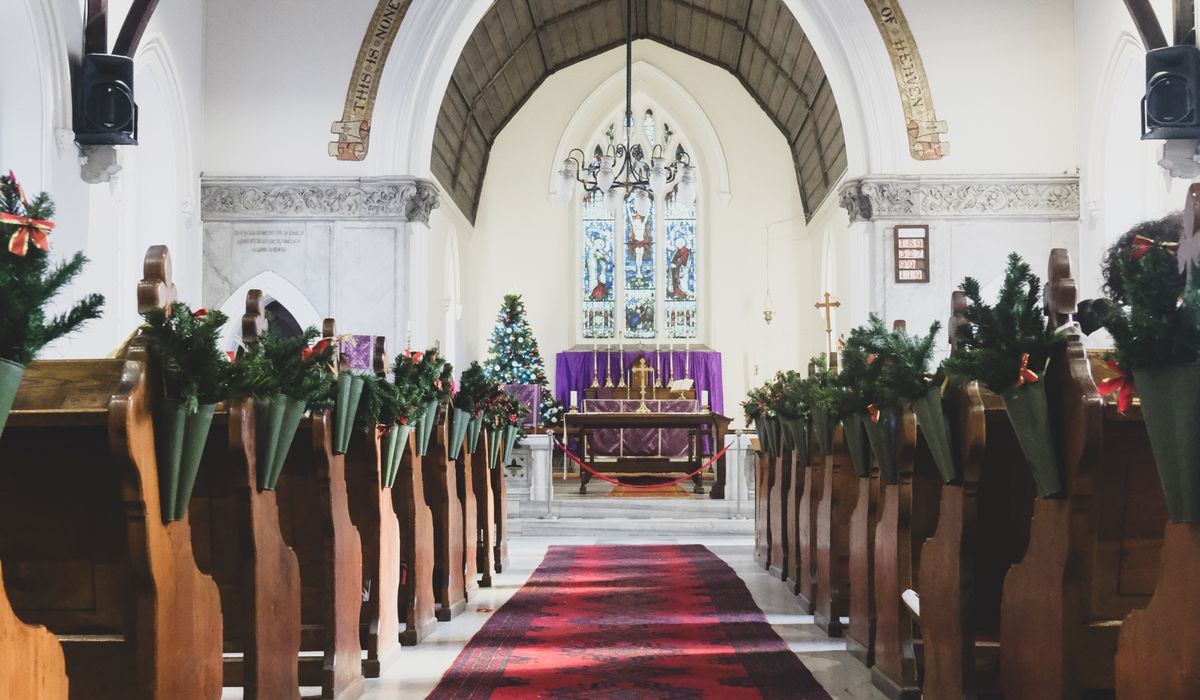
Two Buildings, Two Very Different Rooms to Sing In
Walk into a great cathedral during a quiet moment and hum a single note. The sound does not simply stop when you do; it lifts, spreads along the vaulting and hangs in the air for several seconds before fading. Do the same in a small rural church and the note is gone almost as soon as your lips close, replaced by the faint rustle of a hymn book. Both buildings were made for worship, yet they behave like entirely different instruments. Understanding why helps anyone who sings, rings or simply listens in them.
Why Stone, Space and Soft Furnishings Change Everything
The technical measure is reverberation time — the number of seconds it takes for a sound to decay by 60 decibels after it stops. In an empty cathedral of limestone or sandstone, with vast cubic volume and almost nothing soft to absorb energy, this can run to six to ten seconds. In a village church of similar age but much smaller proportions, it is often closer to one to two seconds, and sometimes less once the building is full of people.
What absorbs sound matters as much as what reflects it. Bare stone, slate, glass and plaster bounce energy back into the room. Carpets, pew cushions, hassocks, heavy curtains, banners, radiators and congregations absorb it. A nave that sounds glorious when empty can become surprisingly dry on a wet Sunday in February when a hundred damp coats are hung on the ends of pews. Roof shape matters too: fan vaulting scatters sound in many directions, giving a rich, blended wash, while a plain barrel roof tends to push it straight down the length of the building, which is why some churches sound clearer at the back than at the front.
Singing in a Cathedral: Let the Building Do the Work
Cathedral musicians learn to treat the acoustic as a colleague rather than an obstacle. The most common mistake visiting choirs make is to sing too loudly and too fast, so the sound smears into an indistinguishable blur. Instead:
- Slow the tempo and allow a beat of silence between phrases, especially in psalms and anthems.
- Articulate consonants crisply — the vowels will take care of themselves as the building lengthens them.
- Reduce the number of singers rather than increase them; four good voices in a cathedral can fill the nave.
- Choose repertoire carefully: plainsong, Renaissance polyphony and broadly spaced harmony thrive, while dense, fast counterpoint can turn to mud.
- Listen to the tail of each chord before starting the next — the acoustic sets the pulse, not the conductor.
- Use the organ sparingly, particularly in softer passages, so voices are not buried under a wall of sound.
Singing in a Village Church: Clarity and Closeness
In a small rural church, the opposite applies. Words are instantly intelligible, so congregations notice every dropped consonant. There is little bloom to cover uncertainty, and singers must supply their own sustain and confidence. The intimacy is a gift for storytelling — a solo verse of a carol, a spoken reading, a quiet prayer — but it can feel exposed. Small choirs often stand closer together, and instrumentalists learn that a single fiddle or flute can carry the whole building. Watch out for flutter echoes in some Georgian and Victorian interiors, where parallel plaster walls create a rapid metallic ring; a well-placed curtain or noticeboard can tame it. And remember that a full church absorbs far more than an empty one, so rehearse with people in the seats if you can.
Bells, Towers and the Sacred Sound Out of Doors
Bell ringing is a different acoustic world altogether. The bells themselves are not heard by the ringers in the same way the congregation hears them; the ringers stand below the bell chamber, separated by a floor and often by louvred windows. In the ringing chamber the sound is loud, clangorous and immediate, which is one reason ringers rely so heavily on sight and the feel of the rope rather than on listening to each other.
Out in the parish, the tower shapes everything. Stone walls, the height of the bell chamber, the size and angle of the louvres and the surrounding landscape all colour the sound. A heavy tenor bell carries for miles across flat fenland; the same bell in a hilly valley may be swallowed by trees and contours. Weather plays its part, too — bells ring out further on a still, cold morning than on a damp summer afternoon. Ringers use this deliberately: half-muffled bells at a funeral give a solemn, echoing tread, while a full peal on a feast day is meant to be heard across the whole village.
Working with the Space You Have
Whether you sing, ring or simply sit in the pews, the practical approach is the same: listen first, then adjust. In a cathedral, give the building time and space, and resist the urge to fill every silence. In a village church, support the line, tune carefully and enjoy the clarity. In the tower, trust your ears for tuning but your eyes and hands for striking. Sacred sound has always been shaped by the walls around it, and the best musicians are the ones who let those walls speak.

4 Comments